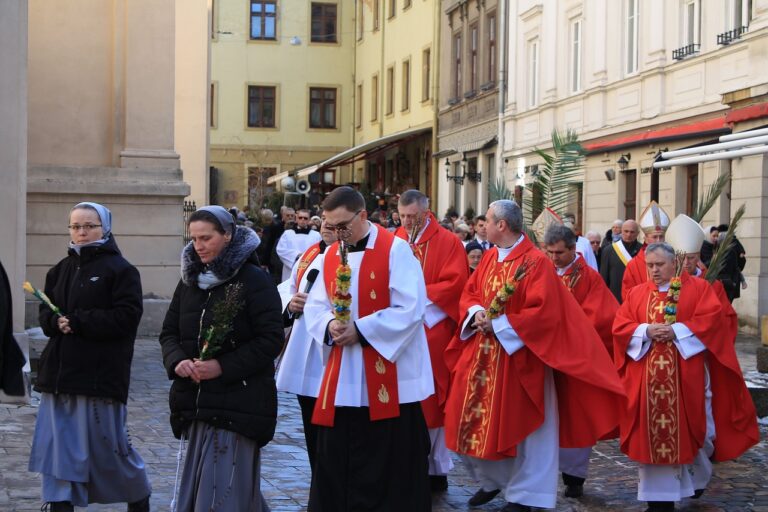
Mall sentence “Reverence for God” is more than a phrase within the freemesonary – it is a guiding theory that allows craft rituals, teachings and ethos. For centuries, this reverence stands as one of the corners of mesonic life, reminding members that the discovery of moral and spiritual development should be vested in a deep honor for the divine. While the freemesonary does not determine specific religious beliefs, it units men of different religions under shared understanding that belief in being supreme is essential for the virtue and purpose life. The phrase “reverence to God” serves as both a personal commitment and a collective ideal. At the individual level, it encourages each mason to take a relationship with the divine according to his own faith and discretion.
 This relationship is not passive – it constantly efforts to live a life combined with reflection, humility, and divine principles. By accepting a high moral right, a mason is reminded that their obligations are beyond man -made law. When no one is watching, he is still asked to work with integrity, because his final accountability is with God. In the lodge, this reverence takes the scene and symbolic form. The open amount of sacred law on the altar, the severity of prayers offered before and after meetings, and the moral language of the degree all point to a world vision in which spiritual awareness is central. The lodge room becomes a sacred place, not because of a particular religion, but because it is a place where men gather with a shared honor for divine appearance and guidance. This feeling of reverence increases action and underlines the severity of mesonic obligations.
On a broader level, “reverence for God” promotes unity among men of diverse backgrounds. In the world divided by ideology and belief, freemesonary provides a rare example of harmony in shared spiritual honors. Without the need of faith in being an supreme – demanding uniformity of theory without the need – the craft brings together men who can never sit in the fellowship otherwise. It is not about reducing spiritual inclusive belief, but about the creation of mutual respect through a normal foundation. Furthermore, reverence for God is not limited to rituals or beliefs only – this is to inspire action.
A mason who respects Divya is expected to express the reverence of how he treats others: with compassion, fairness and a commitment to justice. The service of humanity becomes an extension of dedication to God. Donation, mentorship and civic engagement functions are not just good works; They are spiritual duties that are flowing from a revered heart. Finally, “Shraddha for God” is an motto that speaks to the soul of freemesonary. It anchors craft in spiritual purpose, elevates its teachings, and units its members on the lines of creed and culture. In the hungry world for meaning, this principle guides the mason towards faith, humility and life of service.…
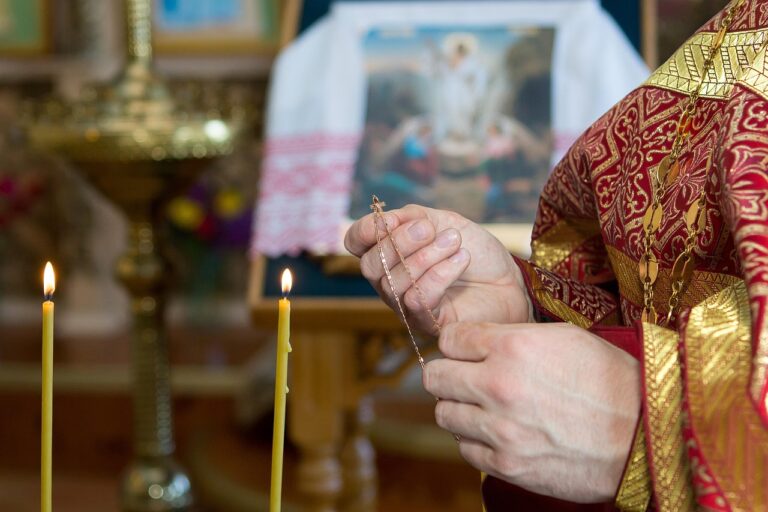
 The candidate is not a passive observer, but often plays a role within the degree, the first experience of tests and decisions faced by central characters. This immersive aspect allows teachings to sink more deeply as they will do through reading or lectures alone. The emotional power of the play cannot be eliminated. When a degree examines betrayal, sacrifice, or redemption, the candidate feels that those subjects seem only to listen to them. This is through this emotional connection that changes. P has a well executed degree.